
The movies of Part 8 find commonality in their search for answers: mysteries will be unraveled, personal crises will be resolved, and meaning will be found in both the extraordinary and mundane.
71. Saving Mr. Banks (2013)
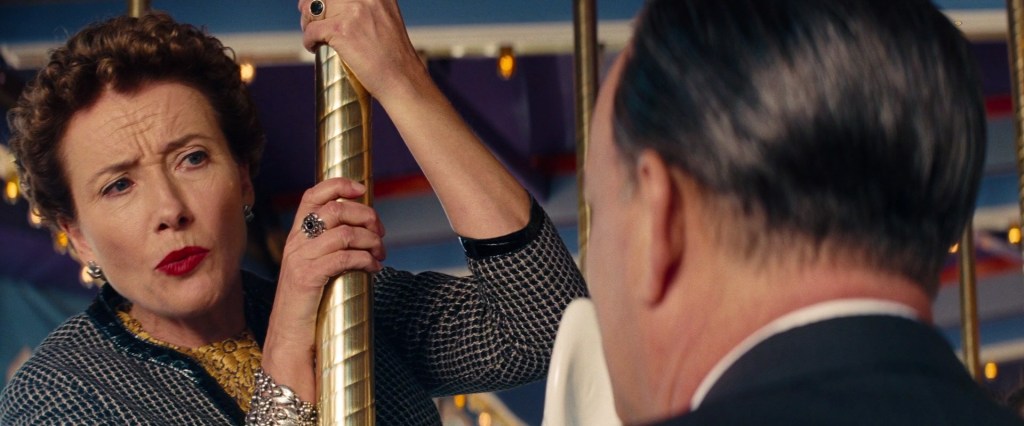
Art is often informed by the creator’s real life experiences, and it’s the deep exploration of this idea that separates Saving Mr. Banks from other “based on a true story” films. Author P.L. Travers (Emma Thompson) reluctantly signs over the rights of her children’s novel, Mary Poppins, to the Walt Disney Co., but there’s a catch: Travers’s contract stipulates that she have strong creative control over the filmmaking process. The journey from book to movie is a fun one, with the prudish and calloused Travers comically clashing with the fun-loving writers and composers in charge of adapting her book. But as she dives deeper into this creative process, we learn the reasons for her mean-spirited demeanor and gain insight into the tragic inspirations for her famous novel. Emma Thompson gives a criminally underrated performance as we follow her cathartic journey of acceptance of both her painful past and inconvenient present.
72. Searching (2018)

“Found footage movie” and “smartly crafted piece of filmmaking” aren’t phrases that you’d typically see in the same review, but Searching defies convention and ingeniously updates the thriller genre. When David Kim’s (John Cho) teenage daughter goes missing, he uses every bit of information stored on their electronic devices in hopes of finding his daughter and bringing her home. Thanks to webcams, we get a peak into Mr. Kim’s entire investigative process in a way that feels entirely organic, adding to the realism and immersion of the theatrical experience. This convention also means that actor John Cho is on screen for nearly the entire runtime, just sitting in front of a computer, and he does an outstanding job of keeping us the audience invested despite these limitations. Smart, tension-filled, and properly emotional, Searching is a unique piece of moviemaking that deserves more attention.
73. Shrek (2001)
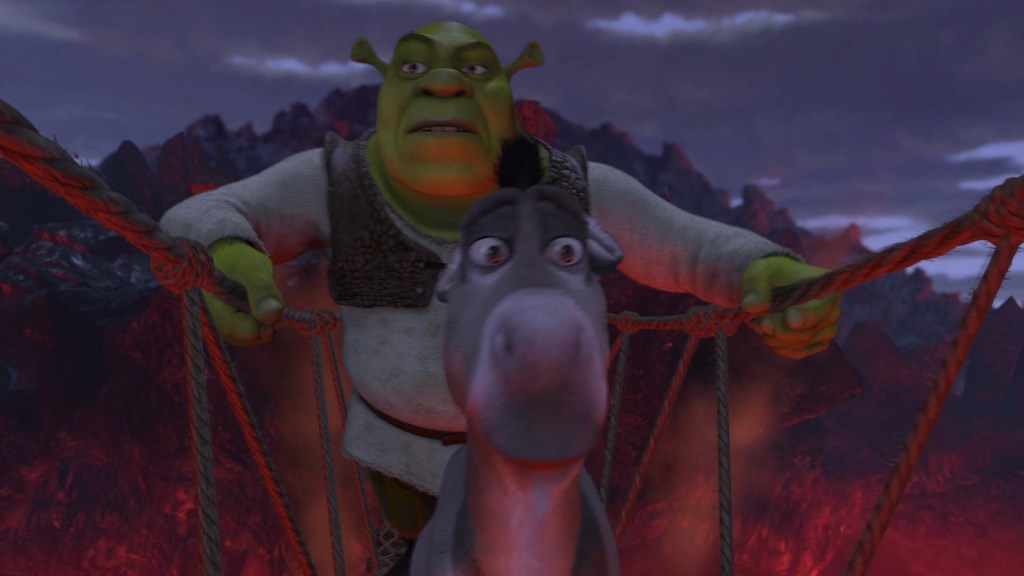
Disney’s sugar-sweet animation ruled the 90s, but Shrek burst into the 2000s with derisive humor and pop culture references, ushering in a new kind of animated movie that we still see today. The titular Shrek is an ugly and feared ogre in Duloc, a land filled with all of the classic fairy tale creatures. He and his annoying sidekick Donkey are tasked with saving the princess and returning her to her betrothed Lord Farquaad. Though the story of Shrek is nothing new (and intentionally so), it’s the pull-no-punches tone of the film that surprised and delighted audiences. Packed with characters that are both likable and vulnerable, this modern spin on the fairy tale formula is a good time for movie fans both young and old.
(True story: my grandparents love the Shrek movies so much, they went to see the 4th one on their 50th wedding anniversary!)
74. A Silent Voice (2016)

Can a person who’s hurt you, who’s traumatized you, really change, and even if they can, should you forgive them? A Silent Voice attempts to answer these difficult questions and more, but the film challenges us even further, telling the story from the perspective of the remorseful bully instead of the sympathetic victim. The movie uses animation to great creative effect, with the X’s over people’s faces (indicating ostracism and introversion), seen above, being just one example of its clever visual storytelling. This deeply moving film develops characters and weaves narrative in such a way that delivers real answers to questions that are not easy to talk about, let alone resolve. I would strongly encourage you to set aside the typical sitcoms and fun blockbusters, at least this once, and give this distressing yet exceedingly rewarding movie a try.
75. Sing Street (2016)

Need a pep in your step? Take a stroll down Sing Street, a movie about a teenage boy who starts a band to impress a girl. This simple premise evolves into a razor-sharp romp about love, disappointment, and finding your passion in life. This comedy/drama/musical transports us to 1980s Ireland and dares us to not fall in love with our plucky protagonist Connor, who is constantly kicked down by life, but refuses to stay down, choosing instead to sing, dance, and rock n’ roll. The entire ensemble of young actors is superb, lighting up the screen with energetic yet believable performances. The soundtrack is an all-timer, filled with original bops that you’ll keep on repeat long after you’ve seen the movie. Get lost in young love, roar with the crowd, and leave your inner-cynic behind with Sing Street.
76. Singin’ in the Rain (1952)
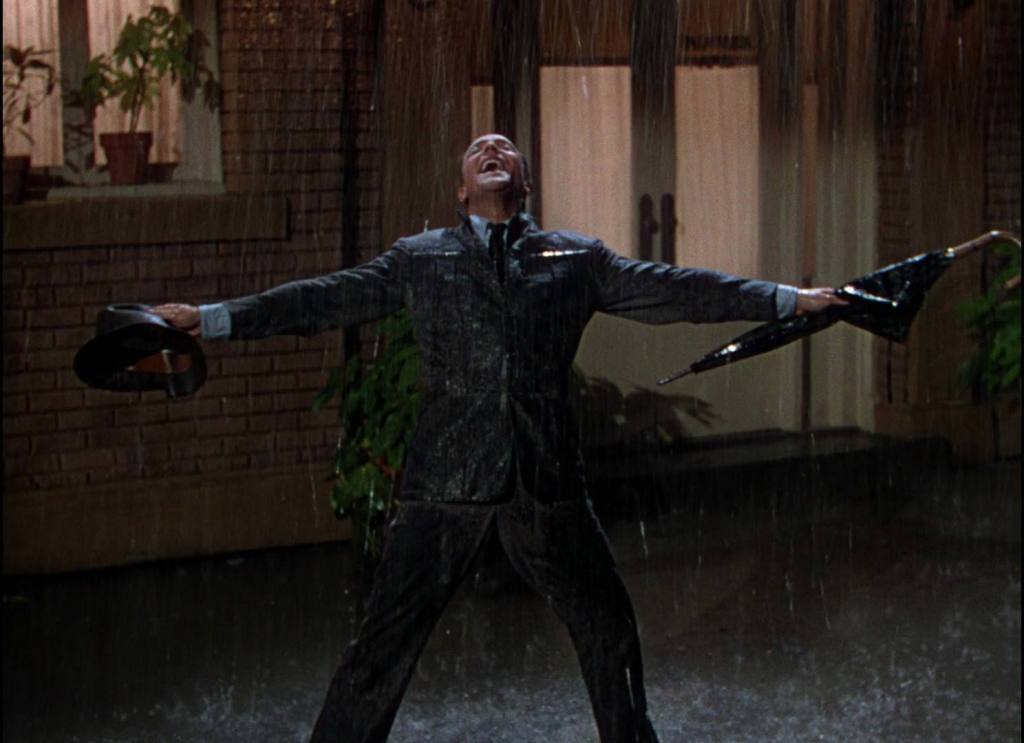
A classic musical if ever there was one, Singin’ in the Rain not only tells the story of a change in Hollywood, but it changed Hollywood itself. Set during the convention of the “talkie,” or audible dialogue in movies, famed actor Don recruits no-name singer Kathy to dub over the dialogue for Lina, his costar with a rather unmelodious voice. The trio, along with Don’s friend Cosmo, attempt to produce Monumental Picture’s first talkie. This film puts the “music’ in muscial, where tunes not only drive the plot, but we also bounce from one non-diegetic song to another, boasting world class singing, dancing, and set production. Just like the title suggests, not even the dreariest of days could keep Singin’ in the Rain from putting a smile on your face.
77. The Sixth Sense (1999)
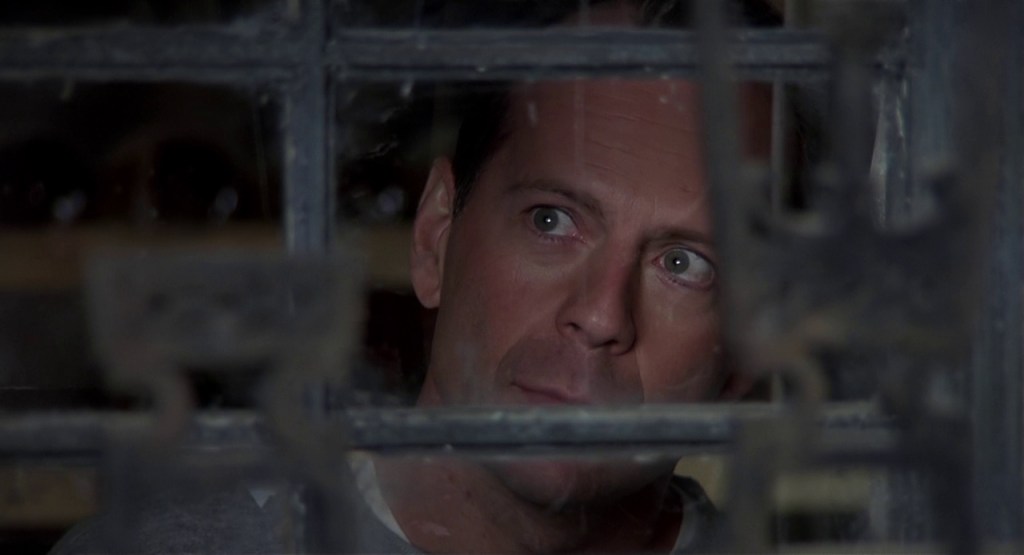
This review will require all of my creative muscles in attempt to sell you on the movie without revealing the most famous plot twist in movie history, but luckily, The Sixth Sense has much more to offer than just a shocking ending. Psychologist Malcolm Crowe (Bruce Willis) meets young patient Cole Sear (Haley Joel Osment), a boy who claims he can see dead people. Malcolm enlists Cole to help him communicate with a deceased patient who Malcolm thinks he failed. Willis and Osment’s chemistry carry this movie all the way through, portraying a bond that’s part doctor-patient, part father-son. The cold color pallet and melancholy tone only add to the unsettling vibe that permeates the film and elevates the end to legendary status. Twists and turns abound in this lauded mystery that will leave your jaw on the floor once the ending is revealed.
78. Snow White and the Seven Dwarfs (1937)

Before Netflix, before TVs, before cameras… ok, not that far back, but long ago at the beginning of cinema as we know it, a man named Walt Disney premiered the first ever feature-length animated film, and Snow White and the Seven Dwarfs still lives in our hearts and streaming services today. The film was a rousing success, launching the Disney brand that still rules the modern movie industry. Though its accomplishments are many, they mean very little if the film can’t connect with today’s moviegoers, but Snow White is a worthy modern classic, bursting with beautiful animation, timeless songs, a conniving villain, and who doesn’t love that goofy gang of dwarfs? Many movies fade with time, but Snow White has endured, not only in the history books, but in the Disney + queues in homes around the world.
79. Some Like It Hot (1959)
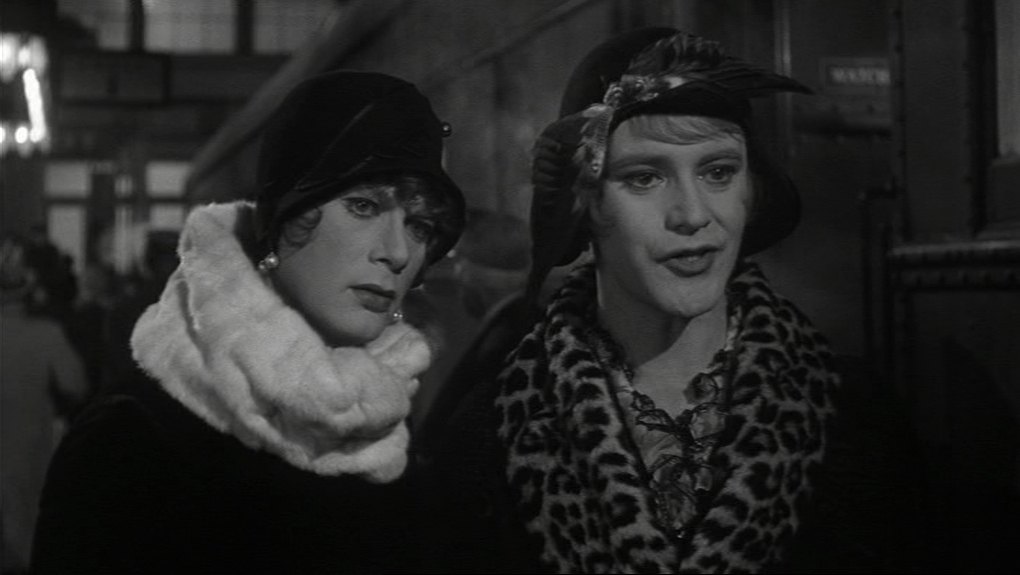
Comedy is a fickle genre. People have a wide array of tastes, and audience sensibilities tend to change with the culture. So to find a 60-year old comedy that’s still funny is hard, and I’m here to report that Some Like It Hot is, to this day, absolutely hilarious. Mischievous musicians Joe (Tony Curtis) and Jerry (Jack Lemmon) desperately search for a gig that will help them skip town, and they find just the thing, but there’s a catch: the musical group is women-only. So our devilish duo throw on a wig, a dress, and hop on the train, without anyone being the wiser. The situational comedy, writing, and comedic timing of our 2 leads are all superb in this identity-shifting laugh fest that is sure to amuse even the most eclectic comedy fans.
80. Franchise Spotlight: Mission: Impossible
“Hunt is uniquely trained and highly motivated- a specialist without equal- immune to any countermeasures. There is no secret he cannot extract, no security he cannot breach, no person he cannot become. He has most likely anticipated this very conversation and is waiting to strike in whatever direction we move. Sir, Hunt is the living manifestation of destiny, and he has made you his mission.” Alan Hunley, Mission: Impossible Rogue Nation

Action movie franchises come and go, seldom leaving their mark on cinematic history, and even more rarely enduring for decades on end. But here we are in 2020, 24 years after the release of the first Mission: Impossible movie, and yet the series is still going strong and is, dare I say, better than ever.
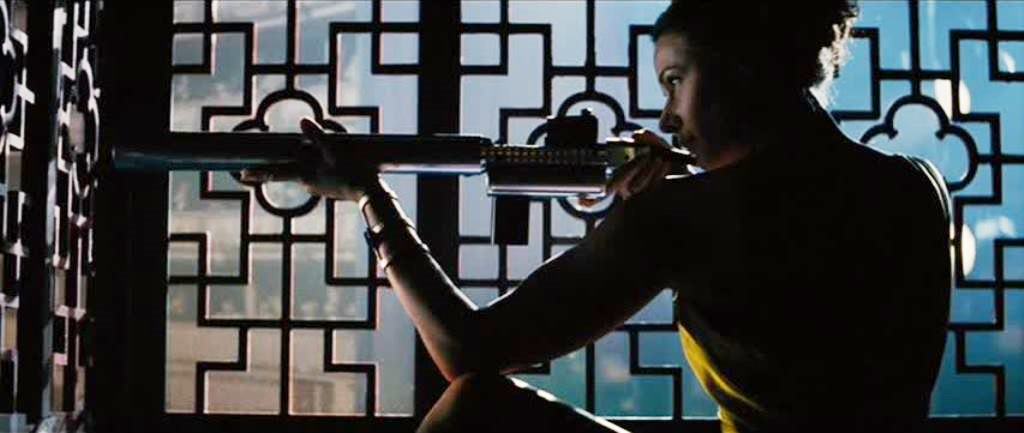
Mission: Impossible burst onto the scene in the mid-90s and turned young Tom Cruise, then of Top Gun fame, into a bona fide action star. Loaded with top-notch espionage, sharp dialogue, and a gritty visual style, this movie changed the game with its memorable set pieces, but it justified its runtime with a surprisingly clever and mature approach to storytelling. Unfortunately, Mission: Impossible then caught a case of common sequlitis, with its second entry failing in almost every regard, and its third entry taking risks but ultimately delivering a mediocre product. All seemed lost for this once-promising spy series…
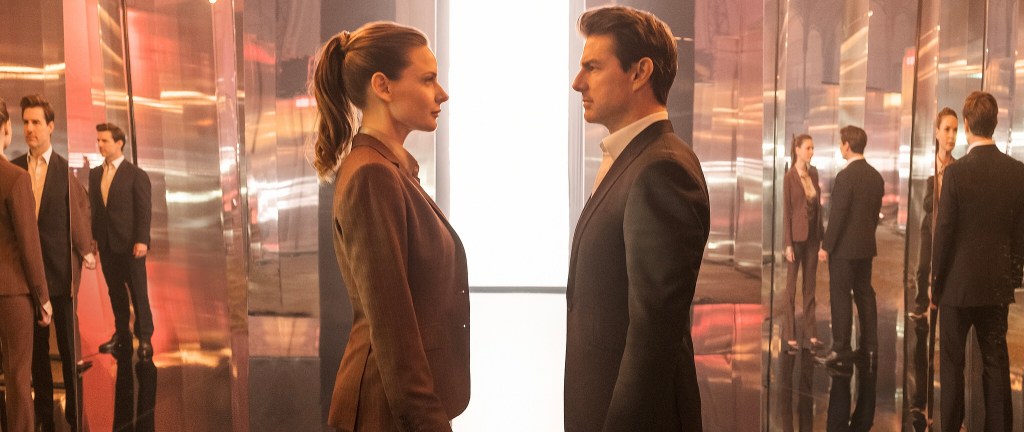
Until directors Brad Bird and Christopher McQuarrie took the helm and reinvented the franchise in separate yet complimentary ways. Bird pushed Cruise’s death-defying stunts to the limit and brought them to the big screen in a way that wowed audiences. The 4th film’s scaling of the Burj Khalifa changed stunt work forever. Bird also abandoned the serialized nature of the series and connected his film with the predominant storyline of the one that came before it. McQuarrie continued Bird’s crazy action scenes and interconnected narrative while also giving more depth to our protagonist, Ethan Hunt. McQuarrie also greatly improved the team dynamic and fostered a cast of characters that will remain in tact for at least 4 movies (MI 7 and 8 are in production). All of these changes resulted in the manifestation of Mission: Impossible’s long-dormant potential and catapulted a so-so movie franchise to one of the best of all time.
*For the first and only time on this list, I recommend that you skip one movie in the series of a Franchise Spotlight. Mission: Impossible 2 adds nothing to the franchise in terms of enjoyment or narrative. See the full watch order below.
Watch Order: Mission: Impossible, Mission: Impossible 3, Mission: Impossible Ghost Protocol, Mission: Impossible Rogue Nation, and Mission: Impossible Fallout
What did you think of Part 8? Let me know in the comments below, and be on the lookout for Part 9 tomorrow!
 The(o)nly Movie Blog