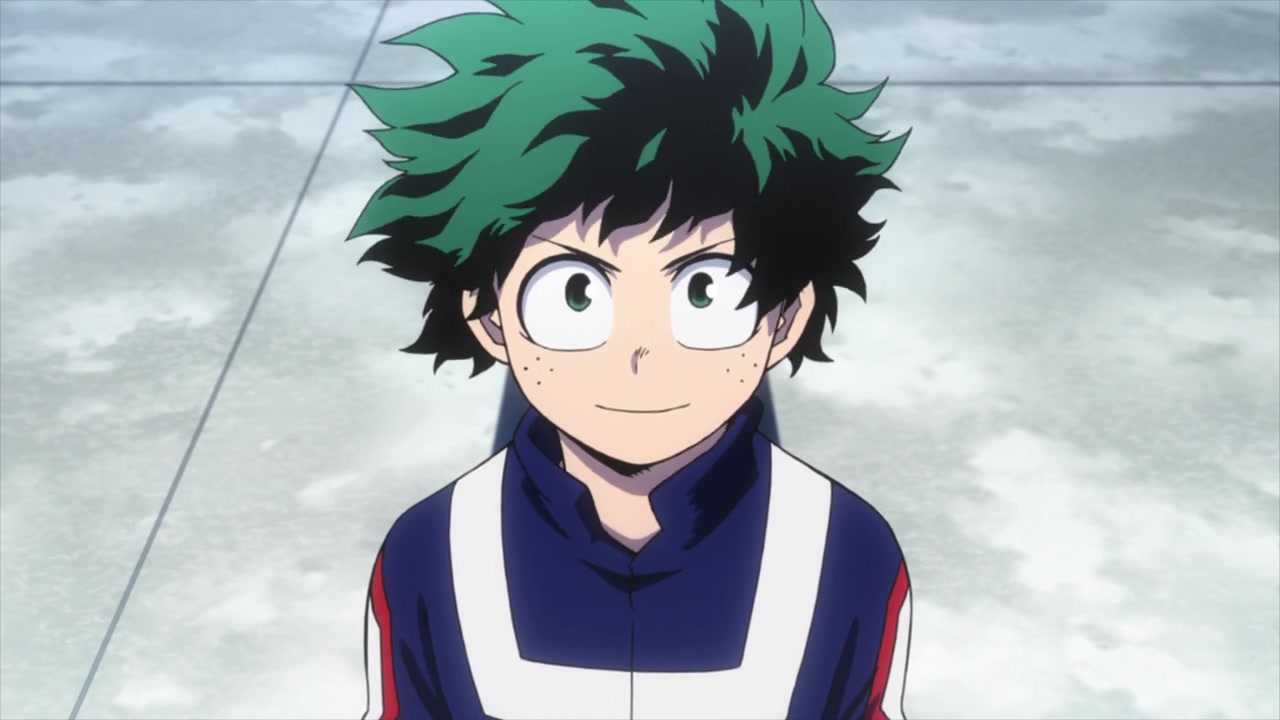
As we soldier on through the pandemic from our homes and scroll through the familiar streaming apps, we notice a dearth of new movies and tv. Some of us long for an inspiring superhero program that will brighten these secluded winter days. Long no more, citizens, because hope has arrived! Look, there, on your screen! Is it a Marvel? Is it a DC? No, it’s… anime???
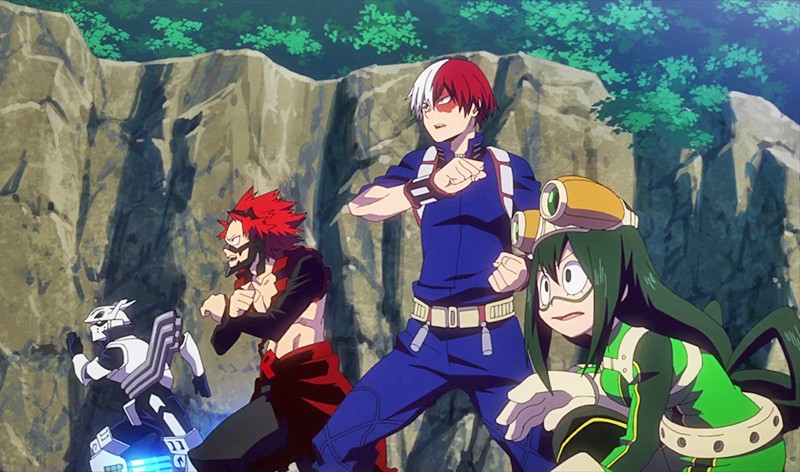
No, you’re not getting punked. If you have trepidations about watching any animated series, let alone an anime, I completely understand. Anime is weird, right? But don’t write me or this show off just yet. I will address your concerns more fully later on, but for now, I humbly ask you to approach this blog post with an open mind and a willingness to let me quell your apprehensions. Because regardless of what country you’re from or what you’ve been through, we all want to believe that one person can truly make a difference, and we yearn for a world where we come together and nobly fight against evil, and these themes beat fiercely and proudly within the heart of My Hero Academia.
What Is My Hero Academia About?
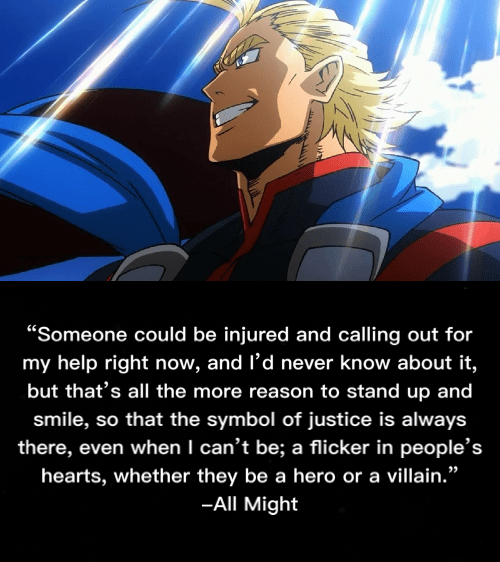
In a not-so-distant future, a child is born with a superhuman ability later referred to as a “quirk.” No one knows exactly why this phenomenon began, but soon newborns across the world were each manifesting their own quirk. My Hero Academia begins generations later, when roughly 80% of the population possesses a quirk, and nearly all children have one. Soon after these extraordinary abilities presented themselves, people began to use their power to commit all manner of heinous crimes and deeds, and brave men and women took on the roles of heroes in order to stop these evildoers. With the support of the government, the profession of superheroes emerged, and they became the most popular members of society, nothing short of celebrities.
Our story follows the journey of Izuku Midoriya, a young teen about to enter high school who wants nothing more than to enroll in the greatest hero academy in Japan, UA High, and become a great hero who saves people with a smile on his face, like his idol All Might. There’s just one teensy problem: Izuku is one of the few children his age who wasn’t born with a quirk. Embodying the bravery and selflessness of a true hero, Izuku blocks out the words of ridicule and doubt that he hears from others and within himself, and he applies to the school of his dreams. Does Izuku get into UA? How could he possibly become a hero without a quirk? You’ll have to tune in to find out!

Why Should I Watch It?
Many modern superhero movies and tv shows aim to give us a glimpse into a “realistic” world of superheroes, and most of these programs shine a cynical light on our society and the concept of heroes themselves. Though My Hero Academia fleshes out a somewhat plausible superhuman society, it never loses the hope and optimism that we associate with the genre, instead choosing to wear these qualities on its sleeves, and it’s all the better for it.
That’s not to say that My Hero Academia is an overly optimistic, fluffy, surface level superhero series. In fact, the show takes common hero archetypes (seen in heroes such as Superman, The Hulk, Robin, and others) and takes them in new and thought-provoking directions, giving us a cast full of fresh and fleshed-out characters. The series also puts a decided emphasis on hope for the future, presenting a symbiotic relationship between the old and new heroes that reflects the challenges that we face in our world today, as well as the ways that we can work together to overcome them. At times My Hero Academia points to a bleak future, yes, but it also shows an overwhelming confidence in the next generation’s ability to meet these challenges, and I find this attitude to be both inspiring and much-needed.
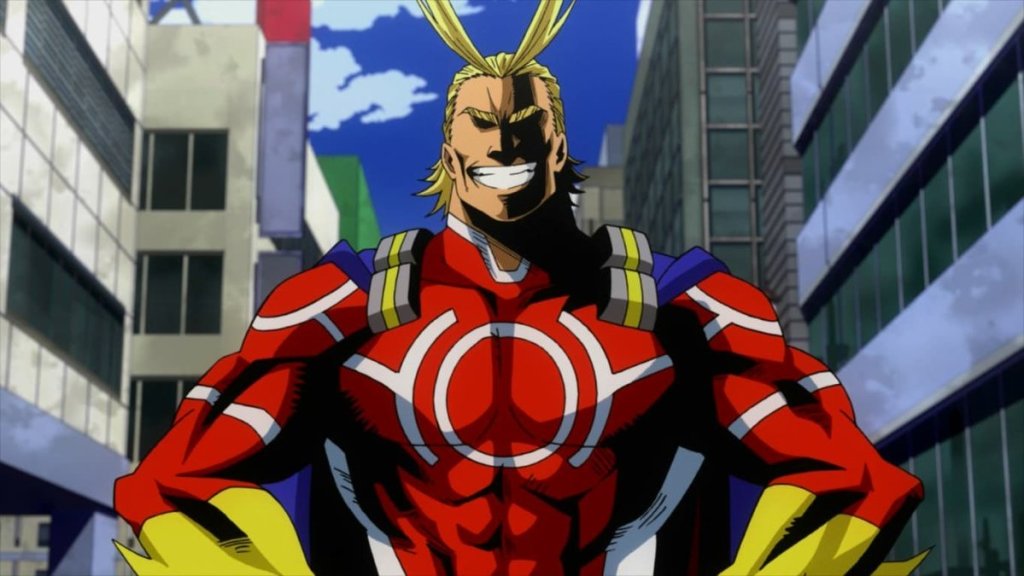
Equally daunting to the state of their world is the path to greatness for Izuku and our protagonists. One of my favorite qualities of the series is that, even though most of our heroes boast astonishing superhuman abilities, they must work incredibly hard to master their quirks (or lack thereof) and become powerful heroes. All too often the grand power of a hero is incidental, and that couldn’t be further from the reality presented in My Hero Academia. Just like in real life, dreams don’t become reality overnight. You can have all of the natural ability in the world, but you must dedicate yourself to an arduous process if you are to achieve true greatness.
Lastly, let’s pivot away from the big ideas of My Hero Academia and briefly explore the nuts and bolts that make up a show: the characters, the plot, the music, and the aesthetic/atmosphere. I love the premise of My Hero Academia, but a show’s set up can only take it so far. The main reason I keep coming back to this series is the likeable, fun, and relatable characters. The show boasts a huge cast, but it takes the time to give each character endearing personality and engaging motivations.
The plot manages to be propulsive without relying on end-of-episode cliffhangers, which makes each storyline feel earned. The story also does a good job of balancing heavy circumstances and themes with fun and humor. Rarely does it feel too silly or too dower, packing just the right punch of action, drama, and heart.
Quick note: though the show is colorful and fun, it is not intended for young audiences. In my opinion, it’s suitable for high school age and up.
The show’s music is truly some of the best to ever grace the silver screen, constantly reinforcing the on-screen emotions without overwhelming them. The creativity and effectiveness of the music leave an impact long after you turn off the tv, to the point where I created my own Spotify playlist of my favorite tracks. I had never done that with a tv show before. The music is that good.
Finally, the aesthetic of the show is decidedly Japanese without alienating a foreign audience. The sheer creativity in the world-building and the way quirks are used is worth your time alone, and they manage to craft several eye-popping and memorable scenes throughout the series. All of these elements come together to make up a show that is one of the best that the superhero genre has ever seen.
I Don’t Like Anime, So Why Should My Hero Academia Be Any Different?
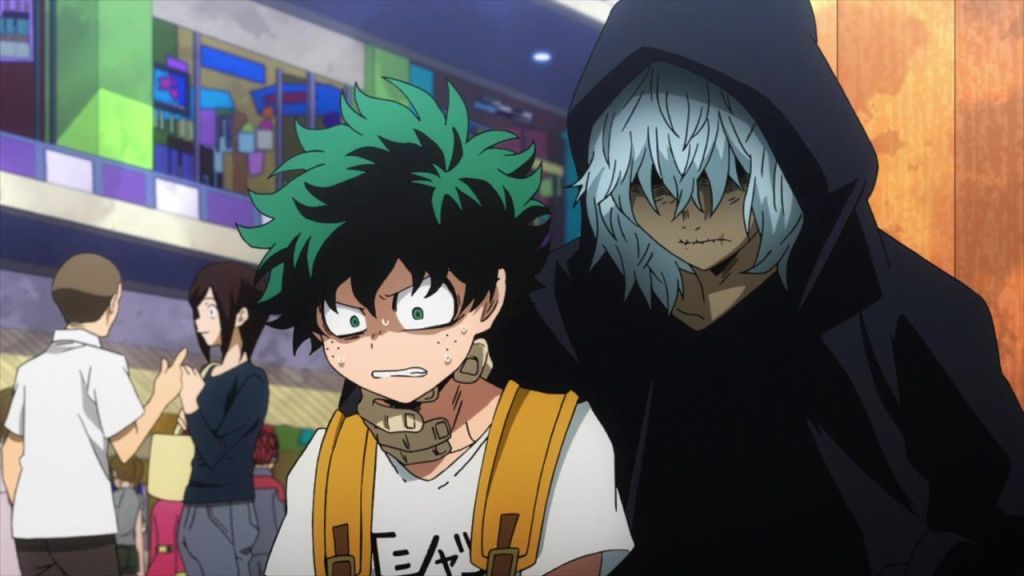
I think the most helpful way to kick off this topic is to give you a brief history of my experience with anime.
I wasn’t exposed to much anime as a wee lad, but at the age of 3 or 4 I fell in love with Pokemon. I collected the cards, played the video games, watched the tv show, all of that good stuff. Pikachu and the gang were undoubtably one of the formative pieces of entertainment in my childhood. Looking back, I realize how cheesy the show was and how comically problematic the entire concept of capturing and dueling animals is, but I’ll always look back on Pokemon with fondness, and I still admire the creativity of the world. Other than that, I didn’t have any notable exposure to Japanese animation.
Cut to 2014, where I’m a junior in college and I’m taking a film study course, just for fun. This class helped me see movies in a new way, and I began to explore all of the corners of film history. One of my starting points was the IMDb top 250, a list of the 250 greatest films ever made, as voted on by IMDb users. This list contained several Japanese animated movies, so I gave them a go. Though they were very hit-or-miss, I really liked a number of them, and they served as an easy entry point for international film in general, since animation can more believably be dubbed over with English dialogue than a live action movie can.
Flash forward to the beginning of the pandemic. With my affinity for Japanese animated movies cemented, I took advantage of the extra time at home and delved right into the world of anime tv series, assuming that if I liked the one, I was bound to enjoy the other. Much to my surprise, these anime shows were not for me. I was careful to choose series that were intended for older audiences, aka not kids’ shows. Even then, I found myself deeply disappointed in what I found. One show was too over-the-top, the next too melodramatic, the next too creepy, and so on. I was about to give up on my quest to find the anime for me, when I came across My Hero Academia on Hulu. The premise, the world-building, the plucky and flawed protagonist, it all spoke to me right away. I was whisked away to this superhero society that both delighted the Marvel fan in me and challenged my preconceived notions of what it means to be a hero. I finished all 88 episodes in less than 2 months, and it quickly became one of my favorite streaming finds of 2020.
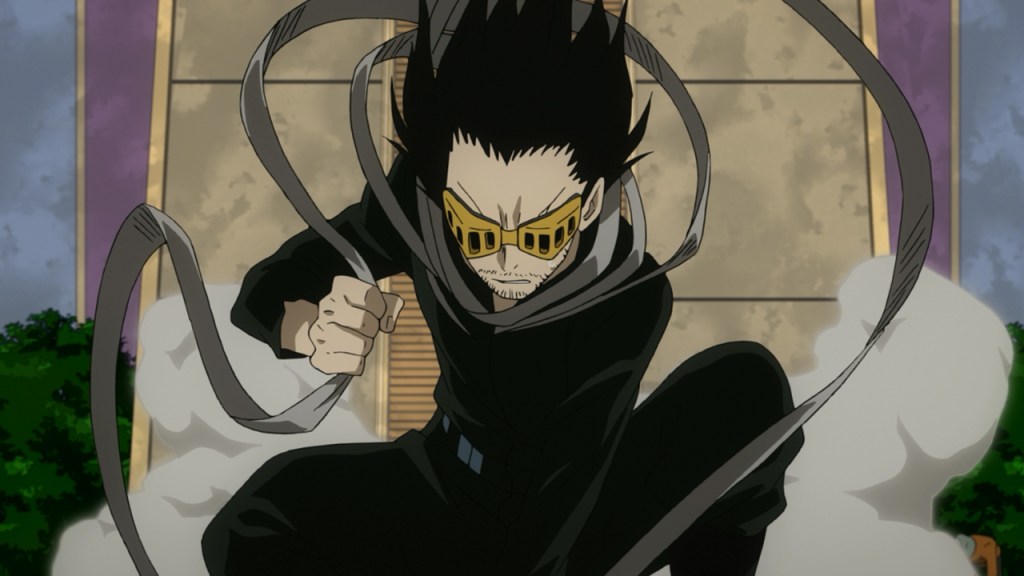
I divulge ALL of that history to say that I’m not a big anime fan myself. Though I do have some experience with the tropes and the art style, I gave a number of series a fair shake, and they just weren’t for me. We each have our unique likes and sensibilities, but having traversed a sizable chunk of the world of anime, I can say with confidence that you should give My Hero Academia a shot, whether you like anime or not.
That isn’t to say that My Hero Academia is void of typical anime tropes. Characters express over-the-top emotions, there’s a fixation on arbitrary power levels and “powering up,” and other common anime elements fill the series. Even as an unabashed lover of the show, these tropes can distract and even mildly annoy me at times, but the great elements of My Hero Academia are so great that I find it easy to look past these mild gripes. It’s rare to find the perfect show, and My Hero Academia isn’t without its flaws, whether they be the result of anime style or not. But sometimes imperfections can almost endear us to a show, much like a friend’s peculiar habits can annoy us at first, but as we get to know them, we end up embracing these flaws because they’re a part of who they are.
I can’t sit here and tell you that My Hero Academia isn’t anime and doesn’t include many of the stylings and tropes associated with the genre, but let me urge you to, despite your reservations, give this series a shot. Especially if you’re a superhero fan, this is a show that you won’t want to miss.
So, You’re Still Not Sold.
If this long, long post didn’t compel you to fire up your tv right now and turn on My Hero Academia, let me issue a brief and simple challenge. The first 3 episodes of the show serve as the set up for the entire series, and each episode is only roughly 22 minutes each. If you’re a fan of the superhero genre, and you have Hulu, I challenge you to give me a little over an hour of your time and give the first 3 episodes of this show a shot. If you don’t like it, no harm no foul, you haven’t lost any money and very little time. But if you do like it, there are 85 more episodes waiting for you to discover, plus 2 movies, and season 5 of the show premieres on March 27th.
Sorry, Marvel. My condolences, DC. The best superhero show running is none other than My Hero Academia.
The first 4 seasons of My Hero Academia are streaming now on Hulu (season 5 to premiere on March 27th).
What did you think of the blog post? What’s your favorite superhero show of all time? Let me know in the comments below!
 The(o)nly Movie Blog